


Synthetic Thatch
ONETHATCH® manufactures synthetic thatch roofing panels for resorts, hotels, beach clubs, tiki bars, waterparks and theme parks. Moulded in UV-stabilised HDPE with an FR version available, our PALM, REED and STRAW styles replicate the natural beauty of traditional thatch with long-term durability and low maintenance.
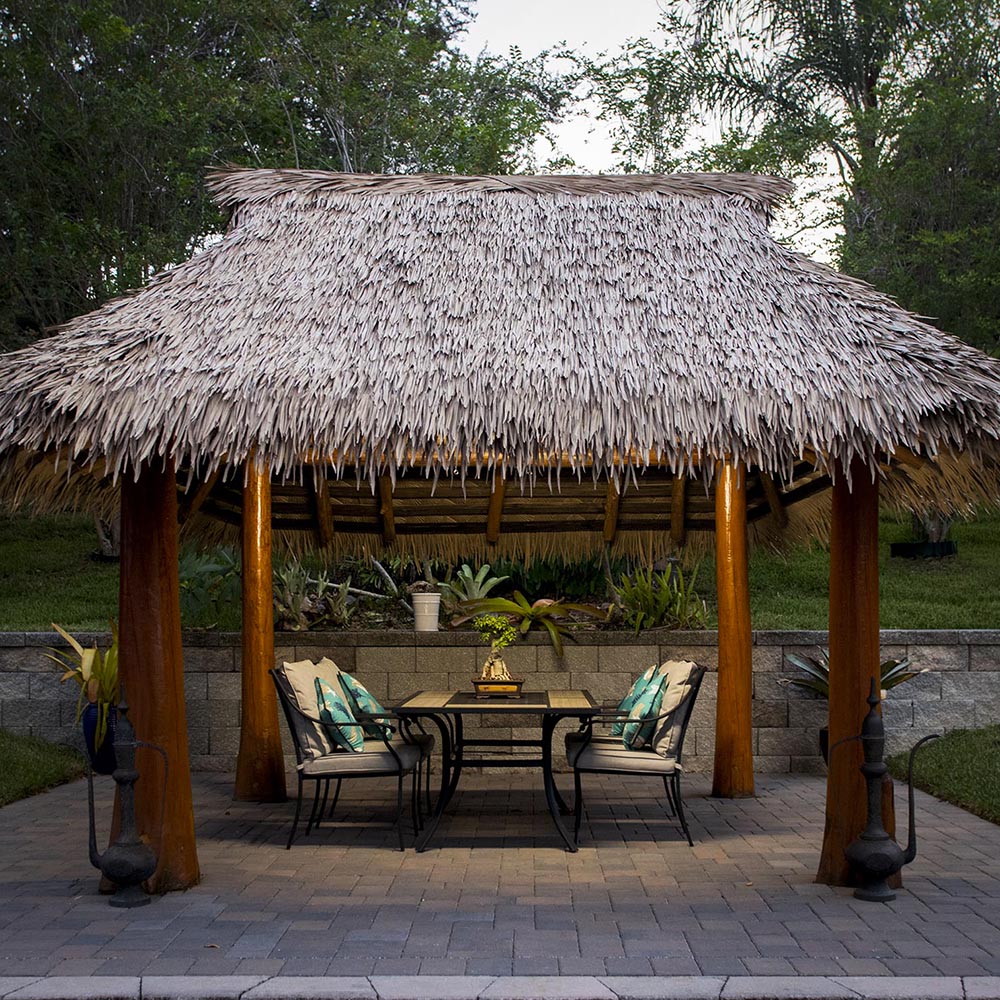
Intro
ONETHATCH PALM
Moulded in high-density polyethylene from fan palm, rain cape and nipa leaves, ONETHATCH PALM thatch shingles replicate the rugged charm of natural palm thatching down to the finest detail.
No solid deck or membrane needed when ONETHATCH PALM is installed to specification
- Resistant To Fading, Infestation & Weather
- Production lead time (3,000 m²): under 7 days
- FR version: Class A to ASTM E108
- Warranty: 20-year limited warranty
Intro
ONETHATCH REED
Premium synthetic reed thatch that replicates the authentic look of traditional water reed roofing. Assembled from synthetic reed straws in varied colours and lengths, it creates a rich, natural texture. When layered, it delivers a full, voluminous yet clean and well-trimmed reed thatching appearance.
Durable, authentic; FR version available
- Resistant To Fading, Infestation & Weather
- Production lead time: 30 days for a 40 ft container
- FR version: Class A to ASTM E108
- Warranty: 20-year limited warranty

Feature
Product Warranty
This synthetic thatch roofing material is a long-lasting alternative to natural thatch. It resolves the problems of a natural thatch roof, which can decay, rot, split or cause fire hazards.
Wind Tested
All our thatch panels feature a reinforced plastic thatch binder strip; ONETHATCH PALM (NIPA) was wind-tested to 160 mph (260 km/h) with no loss of attachment (ASTM D3161), a laboratory result.
20 Year Warranty
We take pride in the quality of our synthetic thatch shingles: every style, FR and NFR, carries a 20-year limited warranty.
FR Version
Safety should never be a choice. All ONETHATCH thatch styles are available in an FR version; FR palm thatch and FR reed thatch are rated Class A to ASTM E108.
Easy to Install
Our bendable thatch shingles are designed to maximise efficient installation and suit a range of roof geometries.
Eco-Friendly
Unlike PVC thatch, which releases plasticisers into the air over time, our synthetic thatch is made from non-toxic, 100% recyclable HDPE.
Thatch Styles: Palm, Reed, Makuti, NIPA, and Straw
Choose the thatch texture that gives your project its character: palm leaves, layered reed or the looser strands of straw. Explore ONETHATCH PALM, REED and STRAW synthetic thatch panels, then compare the profiles below, including looks inspired by Makuti, Kajan and NIPA roofing traditions.
Palm Thatch
Give a palapa or palapita the depth and texture that make natural palm thatching so distinctive. Moulded in UV-stabilised HDPE, this synthetic palm thatch recreates fanned leaves in a dense, layered profile, with detail that remains visible to guests at ground level. As synthetic palapa thatch, it suits Caribbean, Pacific and Southeast Asian resort projects, from a single umbrella to the thatch roofs of high-end resort villas.
Palm Shingle is available in FR and NFR versions. Choose the FR version, rated Class A to ASTM E108, where the project requires that fire performance. See the texture for yourself: samples are free.
Reed Thatch
Makuti Roof
Keep the close, overlapping look of a Makuti roof with less of the replacement and maintenance associated with natural palm leaves. ONETHATCH PALM (NIPA) recreates that tight leaf line and low profile in UV-stabilised HDPE, offering a synthetic makuti option for coastal lodges, beach bars and safari camps.
Makuti is the coconut-palm thatch of the East African coast, including Kenya, Zanzibar, Tanzania and Mozambique. FR and NFR versions are available for projects across East Africa and the Indian Ocean; select FR where fire performance is required. See the synthetic thatch for Africa page for regional details.
Kajan Roof
NIPA Roof
For a neat, low-profile resort roof, choose the compact layers of ONETHATCH PALM (NIPA), our synthetic nipa thatch. These synthetic palm thatch panels recreate the nipa-leaf roofing seen across the Philippines, Indonesia, Malaysia and Vietnam in durable, UV-stabilised HDPE.
The closely layered finish suits pavilions and resort roofs, including contemporary tropical designs. NIPA is available in FR and NFR versions for projects in Southeast Asia, the Pacific Islands, the Middle East and Europe.
Straw Thatch
For a relaxed, rustic roof, choose the varied strands and irregular texture of ONETHATCH STRAW. These synthetic thatch panels bring natural character to tiki bars, beach clubs, gazebos, resort roofs and themed attractions, whether the setting is tropical or countryside.
Choose a Bali, Tahitian or Caribbean artificial thatch profile to suit anything from a Bali hut to a beachfront cabana. FR and NFR versions are available. Request samples to compare the textures before choosing; the samples are free.


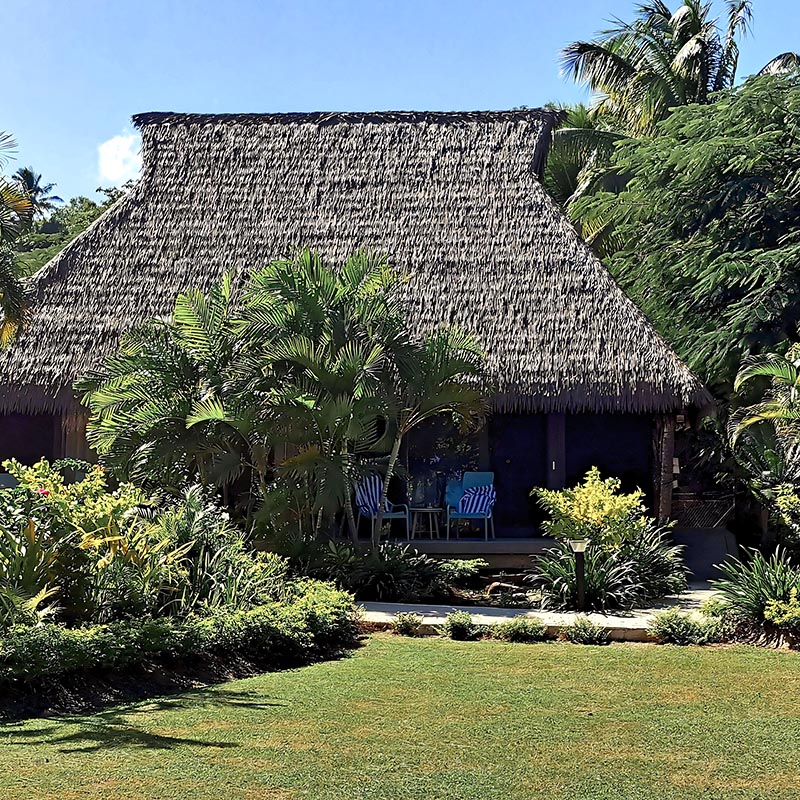
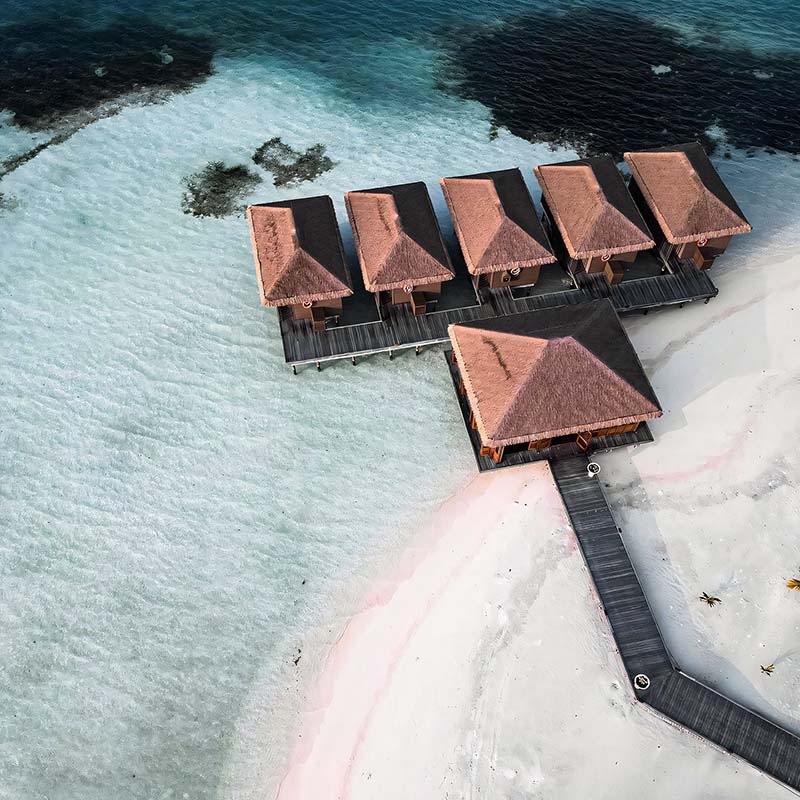
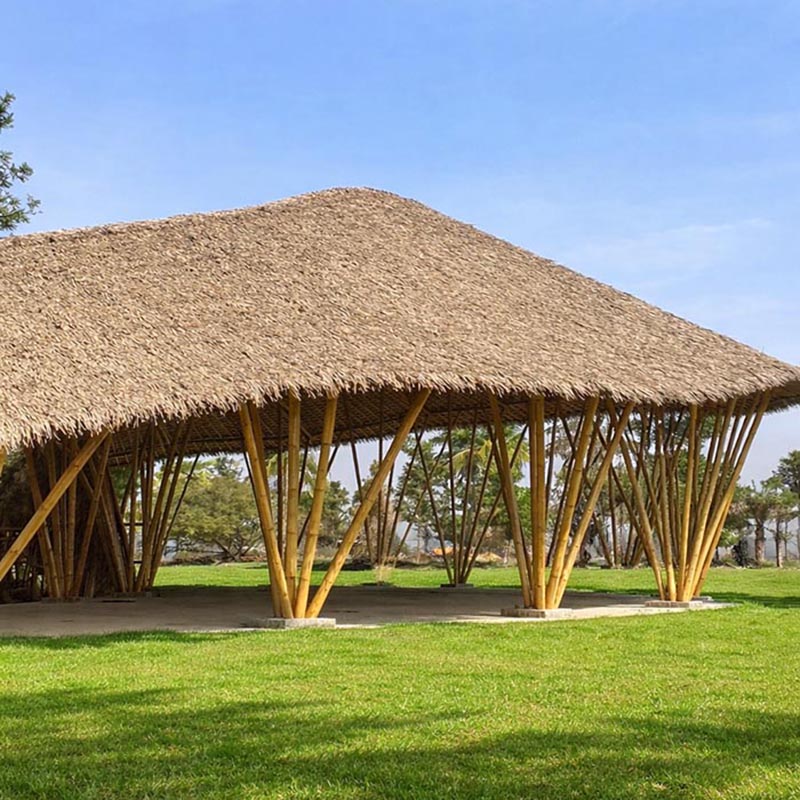
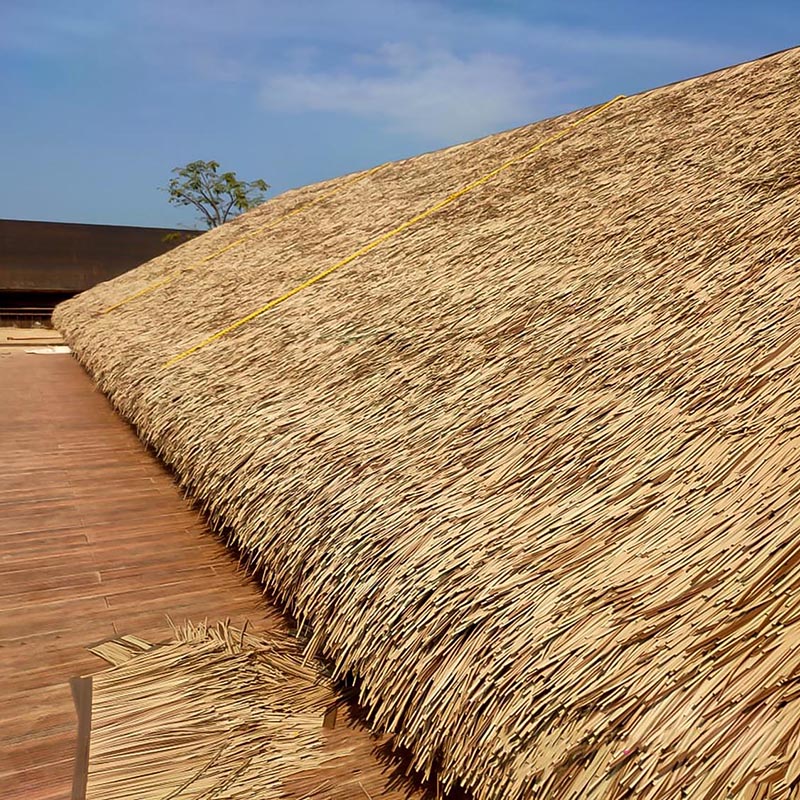
All ONETHATCH® products are designed to exceed your expectations
Service
Product Customization
Custom straw colors, thatch textures and roofing styles are available. If you have a specific look or dream thatching material, let us custom design and craft it for you.
We design and manufacture all synthetic materials directly. Straight from our own factory to your project, with no middlemen in between. Samples are free — request one and see for yourself. Send us an email and let’s talk!
All ONETHATCH® products are designed to exceed your expectations
Long-term Investment
Commercial Buyer?
Replace your thatch for the last time. ONETHATCH has made synthetic roofing, surface and décor materials since 1996 in its own ISO 9001 certified factory, Xiamen Jinyang Industrial Co., Ltd. Our materials capture the look of traditional thatch without its constant upkeep.
As a synthetic thatch roofing manufacturer and supplier shipping to more than 80 countries, we supply synthetic thatch roofing materials directly to resort and hotel projects. ONETHATCH materials are backed by independent test reports for fire, wind and UV performance. Our products are versatile enough to complement any architectural style or roofing type. Thanks to the premium materials we use, along with our own patented rail system for installing thatch panels, ONETHATCH synthetic thatch is the ideal solution for all your needs. For synthetic thatch wholesale and container orders, see our commercial wholesale inquiry page.
Versatile to adapt to any architectural style or thatch roofing type.
Synthetic Thatch Resources
Specifications, uses, materials, buying and answers, all in one place.
Luxurious but affordable Synthetic Thatch
The detail of natural palm leaves. Less work to keep your roof looking its best.
ONETHATCH® PALM synthetic thatch roofing is moulded directly from natural palm leaves, capturing the patterns and fine textures that give a thatched roof its character. The HDPE material resists fading, rot, decay and humidity, with minimal maintenance and a 20-year limited warranty covering UV degradation risk.
Built for your project:
- Authentic palm-leaf appearance
- Easy installation and minimal maintenance
- Class A fire-retardant version to ASTM E108
- ONETHATCH PALM (NIPA) wind tested at 260 km/h (160 mph)
Synthetic Thatch Panel Performance & Specifications
Choose a roof for how it will look—and how it will perform over time. Compare ONETHATCH synthetic thatch roofing panels below for maintenance, durability, warranty, fire-test results, recyclability and UV stability. The table brings the key details together for project architects, procurement teams and any commercial buyer.
| Features | Technical Detail | Why It Matters |
|---|---|---|
| Durability | UV-stabilised HDPE — colour compounded through the material, not a surface coat | No re-thatching or replacement cycles: natural thatch in tropical climates typically needs re-thatching every few years. |
| 20-year warranty | 20-year limited warranty on FR and NFR versions | Procurement teams can plan long-term maintenance budgets against a defined warranty period. |
| Maintenance | Minimal — occasional rinse required. No pest treatment, no re-thatching, no specialist inspection. | Operational cost advantage over natural thatch, which needs re-thatching every few years in tropical climates. |
| Fire (FR version) | FR palm thatch: Class A to ASTM E108 (Intertek report 220927005SHF-001). FR reed thatch: Class A to ASTM E108. NFR versions carry no fire rating. | Supports permit and insurance discussions for resort and hotel roofs. |
| UV colour stability | Colourant integrated into the HDPE at manufacturing stage — not a surface coat. Passed 5,000 hours of ASTM G155 accelerated weathering at Micom Laboratories, Canada (report MI-25-17428-1), with no significant colour change. | Independent evidence for appearance retention in tropical sun. |
| Wind uplift (tested) | ONETHATCH PALM (NIPA): 260 km/h (160 mph), ASTM D3161 fan method (PRI report 2756T0002.1), installed to ONETHATCH specifications with stainless roofing screws | Relevant for hurricane-zone and cyclone-coast resorts; a laboratory result, not a site design wind speed. |
| Wind-driven rain (tested) | ONETHATCH PALM (NIPA): passed Florida TAS 100 (PRI report 2756T0003.1) | Independent evidence for storm-prone coastal sites. |
| Eco safety | PVC-free, non-toxic, 100% recyclable HDPE. The FR version uses an arsenic-free flame retardant. | Designed for safe, long-term use in resorts, hospitality and residential environments. |
Panels, Tiles and Finishing Pieces
ONETHATCH synthetic thatch comes as panels, also called thatch tiles or shingles, rather than a loose roll: each panel has a reinforced binder strip that screws down in a straight, even course. Every style has matching ridge caps and a thatch hip piece, and the right finishing pieces for the eaves, so hips, ridges and eaves look as full as the rest of the roof.
Create the outdoor spaces guests come to enjoy
A thatched roof gives a beach bar, poolside cabana or garden pavilion an inviting tropical character. ONETHATCH PALM synthetic thatch roofing brings that natural palm-leaf texture to palapa umbrellas, tiki huts and resort pavilions, with durable materials designed for long-term outdoor use. Choose from colours and profiles to suit your restaurant, lodge, water park or beachfront project.
Tiki Bars and Beach Clubs
Give a tiki bar or thatched beach bar a distinctive roof with the layered texture of synthetic palm thatch. ONETHATCH PALM is also available in an FR version rated Class A to ASTM E108.
Outdoor Dining Areas
Create a shaded place for guests to gather with a palapa thatch umbrella over a table, or a larger thatched pavilion for flexible seating.
Gardens and Poolside Retreats
Give a quiet corner a purpose with a thatch gazebo, shaded bench or poolside cabana. The natural texture of faux thatch helps these seating areas feel at home in the landscape.
Zoo and Safari Park Structures
Bring a natural-looking finish to visitor shelters and themed structures with synthetic palapa roofing materials.
Planning Your Roof
ONETHATCH faux thatch is moulded in UV-stabilised HDPE to recreate natural leaf textures. Plan the complete roof and drainage system for the weather protection your space needs. Near cooking areas, the designer must address appliance clearances and local fire requirements. For animal enclosures, the project team must assess species-specific risks, including chewing and access to roofing materials.
Where Synthetic Thatch Belongs
Palapas. From a single beach palapa to a ring of palapas beside the pool, synthetic palm thatch gives the classic Mexican and Caribbean roof its full, layered depth. RAINCAPE recreates the woven rain-cape texture of the traditional Mexican palapa, NIPA gives a neat, close-layered finish and FAN the fuller, rugged look of fan palm, and all three suit palapa umbrellas and garden shelters.
Tiki bars and tiki huts. Tiki thatch bars and beach clubs need a roof that looks hand-thatched and stays that way. For an outdoor tiki roof bar, ONETHATCH PALM screws straight onto open battens, and every tiki hut roof panel is fixed with stainless roofing screws. Good tiki roof design starts with a pitch of at least 18° and a generous overhang that shades the bar.
Pool cabanas and beach kiosks. A pool cabana thatch roof has to shrug off chlorine splash, sun and salt air, and HDPE does: it does not rot or absorb moisture. The same panels crown beach kiosks, cabanas and every resort cabana roof along the sand.
Gazebos, pavilions and glamping. Synthetic thatch for gazebo roofs, garden pavilions, bungalows and glamping lodges brings a soft, rustic silhouette to the stay, without the re-thatching cycle of grass or straw.
Resorts, hotels and theme parks. A resort thatch roof has to look as good season after season as it did on opening day. That is why resorts, hotels, theme parks and heritage-style attractions choose ONETHATCH, backed by a 20-year limited warranty, with an FR version rated Class A to ASTM E108.
The Material Behind the Look
UV and colour stabilised all the way through: ONETHATCH thatch is moulded in virgin HDPE with no mineral filler, so it stays supple instead of turning brittle, and its colour is compounded into the material rather than painted on. It is PVC-free, non-toxic and 100% recyclable. The FR version is inherently flame retardant: its arsenic-free retardant is built into the material, not sprayed on.
Find the texture that belongs on your roof
Choose PALM for palm-leaf detail, REED for a layered strand profile or STRAW for a more irregular thatched finish. ONETHATCH artificial thatch is made from UV-stabilised, recyclable HDPE and carries a 20-year limited warranty, bringing these natural textures to tropical resorts, tiki huts and Bali-style pavilions.
Designed Around Your Roof
The ONETHATCH PALM fixing system uses a moulded plastic binder integrated with the leaves. Its flexibility helps the panels follow curved and pitched roof forms. Send your drawings so we can help identify the panels and finishing pieces for the field, eaves, hips and ridges.
For coastal tiki huts and beach bars, the complete roof system must be designed for local wind conditions. Correct fasteners, batten spacing and roof framing are essential; a panel test result is not a site design wind rating.
Materials With Evidence Behind Them
ONETHATCH uses UV-stabilised high-density polyethylene (HDPE), a stiffer, tougher material than the soft low-density PE used in plastic bags. The UV-stabiliser system was developed with BASF’s light-stabiliser laboratory in Shanghai.
ONETHATCH PALM (NIPA) has been tested to 160 mph (260 km/h) with no loss of attachment under the ASTM D3161 fan method at PRI Construction Materials Technologies. It also passed the Florida TAS 100 wind-driven rain test (PRI report 2756T0003.1) and 5,000 hours of ASTM G155 accelerated weathering at Micom Laboratories in Canada with no significant colour change.
ONETHATCH is an ISO 9001 certified company. When comparing synthetic thatch roof tiles or panels, review the material data, installation details and test results for the model you intend to use. The resin, UV protection and fixing system all affect long-term performance; purchase price alone does not tell the full story.
See the Finish Before You Choose
Guests see a resort roof from a distance and at close range. Compare samples for colour, leaf or strand detail and the profile you want to create. If your design calls for a different finish, discuss custom thatch with our team.
A Relaxed Island Look
ONETHATCH STRAW (TAHITIAN) recreates the tropical appearance associated with Tahitian thatch and Fiji thatch in UV-stabilised HDPE. Use it for tiki huts, shade umbrellas, poolside cabanas, water park structures and beachfront resort features. Match the panel style and installation to the roof design for a consistent finish.
For Commercial Buyers
As the synthetic thatch manufacturer, we supply distributors, contractors, palapa builders and resorts directly: artificial thatch roof wholesale by the container load, straight from the artificial thatch roof manufacturer rather than a trader. As an artificial thatch roof supplier shipping to more than 80 countries, we send free samples, installation guides and a quantity take-off for your drawings. For commercial thatch roofing, specify the FR version.
Data sheets and guides. Download data sheets, installation guides and limited warranties for every product line on our Technical Resources page.
Service
Frequently Asked Questions
ONETHATCH synthetic thatch, also called artificial thatch, is made from UV-stabilised high-density polyethylene (HDPE). PALM panels are moulded from casts of real palm leaves, and REED and STRAW recreate the strands of natural reed and straw thatch. The material is PVC-free and 100% recyclable, and the colour is compounded through it rather than applied as a surface coat. The FR version adds a fire-retardant compound to the HDPE.
FR (fire-retardant) thatch incorporates a fire-retardant compound into the HDPE; FR palm thatch (Intertek), FR reed thatch and FR straw thatch are rated Class A to ASTM E108, and the test reports are available on request. NFR (standard) thatch uses standard HDPE without fire additives and carries no fire rating. Both versions share the same dimensions, colour range and 20-year limited warranty.
ONETHATCH PALM (NIPA) showed no loss of attachment at 260 km/h (160 mph) in ASTM D3161 testing at PRI Construction Materials Technologies, installed to ONETHATCH specifications with stainless roofing screws. That is a laboratory result, not a site design wind speed: wind performance depends on correct fixing method, batten spacing and frame design, not the panel alone. It also passed the Florida TAS 100 wind-driven rain test (PRI report 2756T0003.1). Installation guidelines are provided with every order.
Yes. ONETHATCH PALM panels are fixed with stainless roofing screws to the battens of a palapa, palapa umbrella or tiki hut frame, and their flexible moulded binder strip follows round and pitched roof forms. All three ONETHATCH PALM styles (NIPA, FAN and RAINCAPE) need no solid deck or membrane when installed to specification. For a commercial tiki bar that needs fire performance, choose the ONETHATCH PALM FR version, rated Class A to ASTM E108. See our NIPA installation guide.
ONETHATCH PALM also brings its island character to beach bars, thatch cabanas by the pool, garden pavilions and gazebos, glamping huts and resort bungalows, while ONETHATCH REED gives a synthetic thatch lapa its classic African silhouette.
Yes, no thatching skills are needed. ONETHATCH PALM panels screw straight onto your battens and REED and STRAW panels fix over a solid sub-deck, all with stainless roofing screws, so a handy homeowner with a drill, a saw and a helper can give a palapa or tiki hut its finished tropical roof. Matching ridge and hip pieces complete the look, installation guidelines come with every order, and for larger projects our engineer calculates the quantities from your roof drawing. See our NIPA installation guide.
ONETHATCH PALM and REED need a roof pitch of at least 18° (about 4:12). Lay PALM courses at 220 mm (9 in) spacing; REED fixes over a solid sub-deck. For the STRAW styles, send us your roof drawing and we will confirm the build-up with the installation guidelines.
Not for ONETHATCH PALM. Installed to specification, the NIPA, FAN and RAINCAPE styles need no solid deck or membrane, so they go straight onto an open batten frame, keeping palapas, tiki huts and beach bars light, airy and authentic from below. PALM (NIPA) has also passed the Florida TAS 100 wind-driven rain test (PRI report 2756T0003.1). ONETHATCH REED and the STRAW styles (BALI, CARIBBEAN and TAHITIAN) are installed over a solid sub-deck. Where the room below must stay completely dry, ask us for the installation guidelines for your roof build-up.
Very little: an occasional rinse to wash away dust and leaves. ONETHATCH synthetic thatch is UV-stabilised HDPE that does not rot or soak up rain, and PALM (NIPA) and REED are mold-resistant in ASTM G21 testing (Intertek). There is no re-thatching, no pest treatment and no fire-retardant re-spraying, because the FR version has its fire retardant built into the material. Natural thatch needs re-thatching every few years. With ONETHATCH, you spend your time enjoying the roof, not maintaining it.
Yes, we are the manufacturer. ONETHATCH® is made by Xiamen Jinyang Industrial Co., Ltd. in our own ISO 9001 certified factory in Xiamen, China, where we have crafted synthetic thatch since 1996. As a factory-direct synthetic thatch supplier, we ship to more than 80 countries. Samples are free, so you can see and feel the texture before you order, and ONETHATCH PALM (NIPA) is also held in stock. For container and wholesale orders, visit our commercial wholesale inquiry page.
No. ONETHATCH makes thatch panels rather than a thatch roll. Each panel is fixed course by course with stainless roofing screws, which gives the roof an even, layered depth, and, installed to specification, ONETHATCH PALM goes straight onto open battens with no solid deck behind it. If you have been comparing an artificial palm thatch roll or a tiki thatch roll, ask for free sample panels and see the difference for yourself.
ONETHATCH panels are manufactured from UV-stabilised HDPE using a colourant that is integrated into the material, not applied as a surface coat. The thatch passed 5,000 hours of ASTM G155 accelerated weathering at Micom Laboratories, Canada, with no significant colour change, and every style carries a 20-year limited warranty against UV degradation.
ONETHATCH synthetic thatch is made for long-term outdoor use. Every style, FR and NFR, carries a 20-year limited warranty, and ONETHATCH thatch passed 5,000 hours of ASTM G155 accelerated weathering (Micom Laboratories, report MI-25-17428-1) with no significant colour change. Actual service life depends on climate, exposure and installation. Natural thatch roofing in tropical climates, by contrast, needs re-thatching every few years, plus regular fire-retardant and pest treatment.
Yes. HDPE is highly resistant to pool chlorine and salt air, and it does not rot or absorb moisture, so it is suitable for pool structures, overwater villas, and beachfront installations where natural organic materials deteriorate rapidly.
MOQ varies by product and style. Contact the ONETHATCH team with your project area (m²) and chosen style to receive a specific MOQ and pricing indication. Container-load pricing is available for large projects.
Yes. ONETHATCH manufactures matching ridge cap panels and hip finishing panels to complete a full roof profile. Specify your ridge detail requirements at the time of enquiry so the correct finishing components are included in your quote.
Synthetic thatch is a roof covering made to look like natural palm, reed or straw thatch, in UV-stabilised HDPE instead of dried leaves or grass. Whether you call it artificial thatch, simulated thatch roof panels or a fake thatch roof, ONETHATCH comes in three families: PALM (NIPA, FAN and RAINCAPE), moulded from real palm leaves; REED, assembled from synthetic reed strands; and STRAW, with the look of an artificial thatch grass roof. What is tiki thatch? Simply the name many bar builders give the palm style that tops a tiki bar. Each panel screws down like a shingle and layers into a full, natural-looking roof.
For many commercial roofs, yes. Natural thatch is beautiful, but in tropical climates it typically needs re-thatching every few years, and it can rot, harbour insects and burn. Many resorts that replace natural thatch with synthetic do so to end that cycle: ONETHATCH holds its look outdoors, passed 5,000 hours of ASTM G155 accelerated weathering with no significant colour change, carries a 20-year limited warranty and comes in an FR version rated Class A to ASTM E108. Natural thatch still has its place where authenticity outweighs upkeep, such as a heritage restoration.
Three things: the plastic, the UV protection and the evidence. ONETHATCH is moulded in virgin HDPE with no mineral filler, so it stays supple instead of turning brittle; its UV-stabiliser system was developed with BASF’s light-stabiliser laboratory in Shanghai; and its colour is compounded right through. Ask any supplier for an independent weathering report: ours passed 5,000 hours of ASTM G155 accelerated weathering with no significant colour change, and every style carries a 20-year limited warranty.
None in kind: “engineered thatch” is a name some makers give their synthetic thatch. What separates one roof from another is the material and the test data behind it, so ask for the polymer, the fire classification, the wind and weathering reports and the warranty. ONETHATCH states each one with its report number and sends the reports on request: HDPE; ASTM E108 Class A for the FR version; ASTM D3161 and Florida TAS 100 for PALM (NIPA); 5,000 hours of ASTM G155; and a 20-year limited warranty.
That depends on your local building code and your insurer, and many ask for a rated roof covering on restaurants, hotels and public buildings. An NFR panel carries no fire rating, so for commercial work specify the FR version: an artificial thatch roof fire rated Class A to ASTM E108 is what many codes and insurers ask for. Tell us the project location and we will send the test report for your permit.
No, and a rating is only as good as the test behind it. ONETHATCH PALM (NIPA) passed ASTM D3161 at 160 mph (260 km/h) with no loss of attachment, and the Florida TAS 100 wind-driven rain test, both laboratory results with the panels screwed down to our specification. If you are looking for hurricane rated synthetic thatch, ask for those reports. For cyclone resilience on an exposed coast, the frame, battens and fixings must also be designed for local wind loads by your engineer.
It depends on the style and on what is below. Installed to specification, ONETHATCH PALM needs no solid deck or membrane, and PALM (NIPA) passed the Florida TAS 100 wind-driven rain test. REED and STRAW are fixed to a solid sub-deck. Where the room below must stay dry, such as a restaurant or villa interior, ask us for the installation guidelines for a fully dry roof build-up.
Fire rated thatch has been tested and classified to a recognised standard; “fire resistant” on its own is only a description unless a test standard and class are named. Our fire retardant synthetic thatch, the FR version, is class A fire rated thatch, tested by Intertek to ASTM E108, the US fire test for roof coverings, which includes spread-of-flame, burning-brand and intermittent-flame tests. When you compare suppliers, ask for synthetic thatch fire rated to ASTM E108 Class A, with the report. The standard NFR version carries no fire rating.
Yes, if the frame is sound. Strip the old thatch and check the battens. For ONETHATCH STRAW (BALI), the classic alang-alang look, add a solid sub-deck and send us photos and roof dimensions so we can confirm the pitch and build-up; for PALM, the pitch must be at least 18°. Then screw on the new panels course by course. A local builder can do it with basic tools, and we work out the panels you need from the same photos and dimensions.
A thatch roof feels shadier and calmer than bare metal: its deep, layered strands shade the space beneath and do not drum in the rain, while bare metal sheeting absorbs the sun and radiates heat below. ONETHATCH keeps that character in HDPE, and where a room needs more insulation, add it in the roof build-up beneath the panels.
Send us your roof drawing or dimensions and we will work out the exact quantity. As a guide, ONETHATCH PALM uses about 4.9 panels per m² at 220 mm course spacing; the take-off then adds the ridge, hip and eave pieces and about 10% for cutting.
 English
 Japanese
 Arabic
 Spanish
 French
 Portuguese
 Italian
 German
 Chinese (China)
 Thai
 Vietnamese
 Indonesian
 Korean
 Chinese (Taiwan)
 Russian