

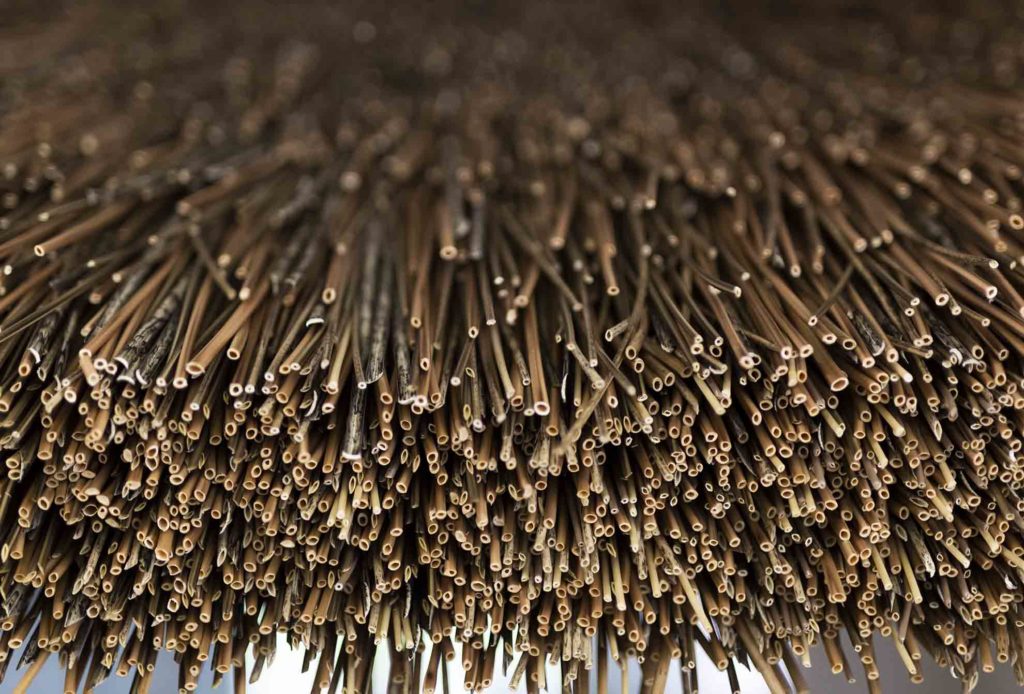
Thatched roof can make a house appearance unique; however, it also renders an interior susceptible to rain, wind, and the elements. The natural thatch roof is not typically kept in mind as one of the more powerful or longer-lasting roofing alternatives due to the following disadvantages:
Weak:
One of the most substantial disadvantages of natural thatch is the natural weakness of this roofing type. A roof of natural thatching material is slowly broken down by sun, wind and rain, which is why it has to be re-thatched every few years. Unless you live somewhere with mild weather all year round, ONETHATCH synthetic solutions are the more dependable choice.
Vulnerable:
Natural thatch can render your home exposed to a variety of risks. From the strong winds and sunlight of summer to winter’s harsh snowstorms, a roof made of natural thatch is not likely to last for many seasons without the requirement for repair work.
Infestation:
A home’s function is to seal the outside and keep out undesirable visitors, consisting of pests and rodents. Natural thatch is food and nesting material for insects, birds and rodents, so without regular pest treatment it can let mites, mice and other unwelcome visitors into your home.
Fire:
Fire safety is a priority for every home, restaurant and resort. Dry natural thatch catches fire easily, which is why fire-rated roofing matters: the FR version of ONETHATCH synthetic thatch is rated Class A to ASTM E108. Basically, a natural thatch roof might render your entire home susceptible to fire hazards.
Lightning:
The influences of lightning could be disastrous on a roof with natural thatching. In a thunderstorm, a single strike can set dry natural thatch alight and leave the interior open to rain and the elements, so any thatched building in a storm-prone area deserves proper lightning protection.
Coldness:
A thick, well-kept natural grass or reed roof insulates well, but as the thatch thins, dries and decays, gaps open and that insulation fades. Houses with a worn natural thatch roof can then feel draughty during cold weather. If you reside in a chillier climate, a worn natural thatch roof can push up your heating bills between November and February.
Humidity:
By the same token, worn natural thatch roofing struggles to shut out moisture in the humid summer months, and damp thatch that cannot dry out quickly starts to rot and grow mould. If you stay in a location where summertime highs generally go beyond the 80-degree range, a synthetic thatch roof with no plant fibre to soak up moisture and rot keeps that tropical look fresh through every humid season.
Disrepair:
A roof made of natural thatching is liable to need maintenance on a much more regular basis than other roofing types. To maintain natural thatched roofs, roofs generally needs quarterly assessments, and perhaps more. Unless you’re a home-repair handyperson who likes getting on your roof, synthetic thatch is the easier path to the same visual appeal: no re-thatching, no sealing, no pest or fire treatments, just an occasional rinse.
Short Life-span:
Compared to synthetic thatch, natural thatch has among the shortest life expectancies of all roofing types. As such, natural thatch is an investment you keep repeating, because it has to be re-thatched every few years; our guide on how long a thatched roof lasts compares the natural and synthetic options.
Contact ONETHATCH for a consultation.
You no longer have to accept the constant upkeep of natural thatch and bamboo. Whether you are interested in thatching an indoor gazebo or an entire resort, we ‘d love to assist you to select the ideal synthetic thatching item for your task.
Check out our synthetic thatch roofing products now to discover one that’s right for you:
Synthetic ONETHATCH PALM
ONETHATCH® PALM is produced using molds drawn directly from natural palm leaves to reproduce the appearance of palm style thatch products. ONETHATCH PALM is made from UV-stabilised HDPE and created to supply alternative palm thatch roofing that is more sustainable, safe and environmentally friendly.
Synthetic ONETHATCH REED (AGED): African Cape Reed
ONETHATCH REED (AGED), our African Cape Reed style, replicates the aesthetic appearance of African yellow grass thatch. A stunning color blend simulates the red, purple, and yellow tones of the natural turf to record the authentic style of South African thatching.
Synthetic ONETHATCH STRAW (CARIBBEAN)
ONETHATCH STRAW (CARIBBEAN) recreates the natural straw thatching typically used in tropical locations throughout the world. This preassembled synthetic thatch roofing shingle blends natural brown and light tan hues to bring realistic-looking island thatching to life.
Synthetic ONETHATCH STRAW (BALI)
ONETHATCH STRAW (BALI) captures the charm of gorgeous Alang-Alang grass thatching and Hawaiian “Pili Grass” generally used in Bali, Japan, and the South Pacific paradises. This preassembled synthetic thatch roofing tile integrates yellow, light chocolate, and a little tan shade to reproduce authentic island thatching and bring any tropical wonders to life.
Synthetic ONETHATCH STRAW (TAHITIAN)
ONETHATCH STRAW (TAHITIAN) recreates the appeal of natural Tahitian palm thatching, also referred to as Fiji thatching, typically utilized in the Tahitian islands and South Pacific areas. This lovely palm leaf shingle incorporates natural tan and light green hues to bring genuine Tahitian palm leaf thatching to life. Inspired by thatch roofs in the Tahitian islands, ONETHATCH STRAW (TAHITIAN) completely catches the beauty of palm style thatching.
 English
 Japanese
 Arabic
 Spanish
 French
 Portuguese
 Italian
 German
 Chinese (China)
 Thai
 Vietnamese
 Indonesian
 Korean
 Chinese (Taiwan)
 Russian