


A Mexican thatched ramada or palapa is one of the most inviting roofs a resort, restaurant or garden can have: deep shade, a layered palm texture and the relaxed feel of the Mexican coast. This guide explains how these roofs are designed, what natural palm demands over the years, and how a synthetic palm thatch roof keeps the same look with far less work.
Palapa or Ramada: What Is the Difference?
A palapa is an open-sided shelter with a roof of dried palm leaves, the iconic beach roof from Cancún and the Riviera Maya to Puerto Vallarta. A ramada is a simple shade structure of posts and beams, traditionally covered with brush, reeds or palm, used for outdoor dining, markets and patios across Mexico and the American Southwest. When a ramada gets a full palm roof, the two become almost the same thing: a Mexican thatched roof on an open frame.
Common Shapes for a Mexican Thatched Roof
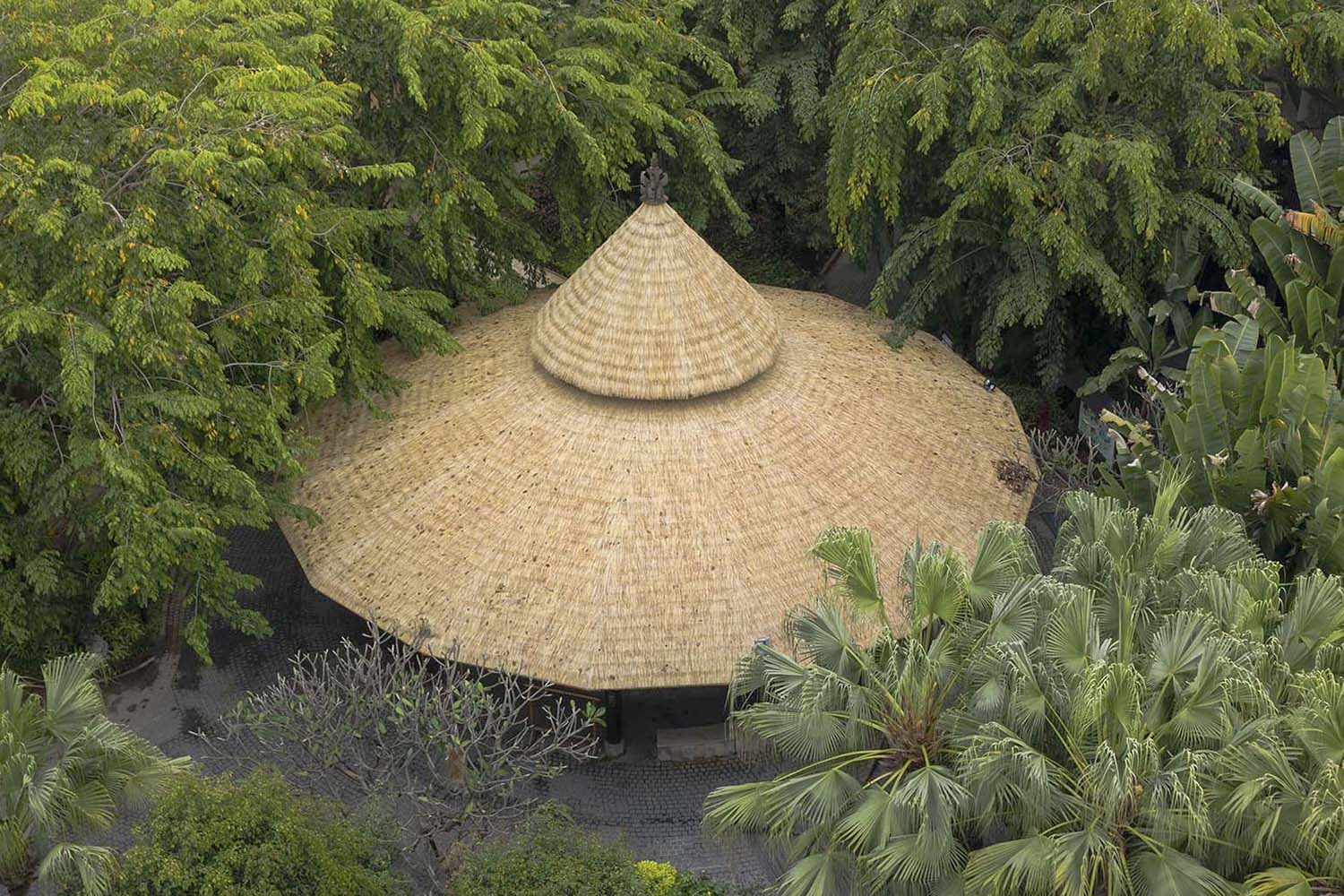
Round and conical palapas. The classic beach palapa and palapa umbrella: one central post or a ring of posts, with the thatch rising to a single point.
Rectangular ramadas. Gable or hip roofs over long dining terraces, bars and market stalls, easy to extend with extra bays.
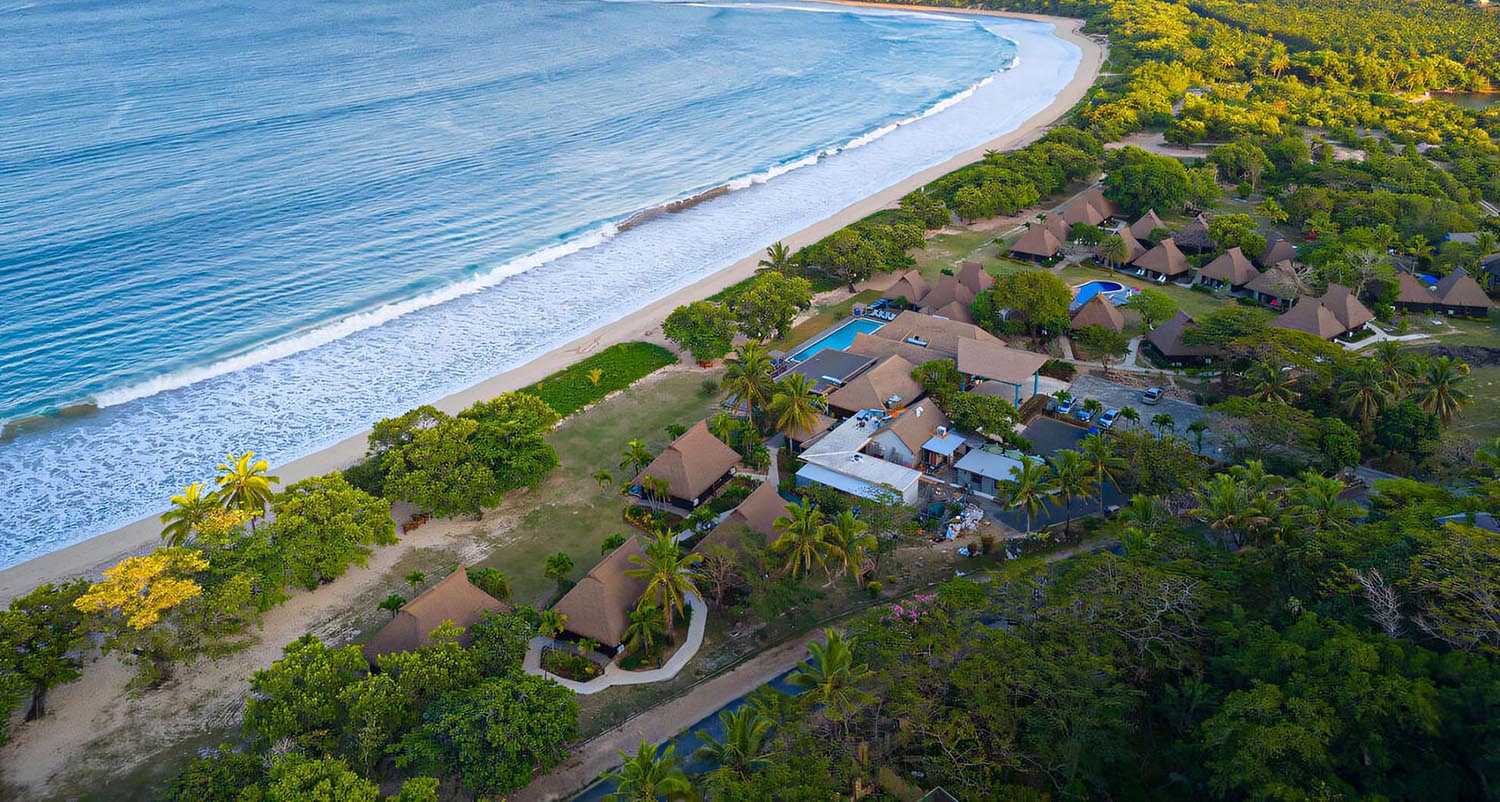
Large resort palapas. Multi-level roofs over lobbies, restaurants and pool bars, where the thatch is part of the brand of the hotel.
Design Basics: Pitch, Frame and Overhang
Whatever the shape, a thatched roof sheds rain through its pitch and layers. For ONETHATCH synthetic palm thatch, plan a pitch of at least 18° (about 4:12), with battens spaced for 220 mm (9 in) courses. The frame can be timber, steel or bamboo-look poles, as long as it is designed for local wind loads, and a generous overhang shades the space and protects the frame from the weather.
Because ONETHATCH PALM screws straight onto open battens, there is no need for a solid deck or membrane when it is installed to specification, so the underside of the ramada stays light and airy, just like natural palm. Where the space below must stay completely dry, ask us for the installation guidelines for a fully dry roof build-up.
Natural Palm vs Synthetic Palm Thatch
Natural palm gives a beautiful roof on day one, but in the sun and rain of the tropics it dries, fades and rots, can harbour insects and needs re-thatching every few years. On a busy restaurant or resort, that means closing areas, hiring crews and watching the roof age between repairs.
A synthetic palm roof is moulded from real palm leaves in UV-stabilised HDPE, so it keeps the look without the cycle. ONETHATCH PALM passed 5,000 hours of ASTM G155 accelerated weathering with no significant colour change, PALM (NIPA) passed ASTM D3161 wind testing at 160 mph (260 km/h) with no loss of attachment, and every style carries a 20-year limited warranty.
Choosing the Palm Style
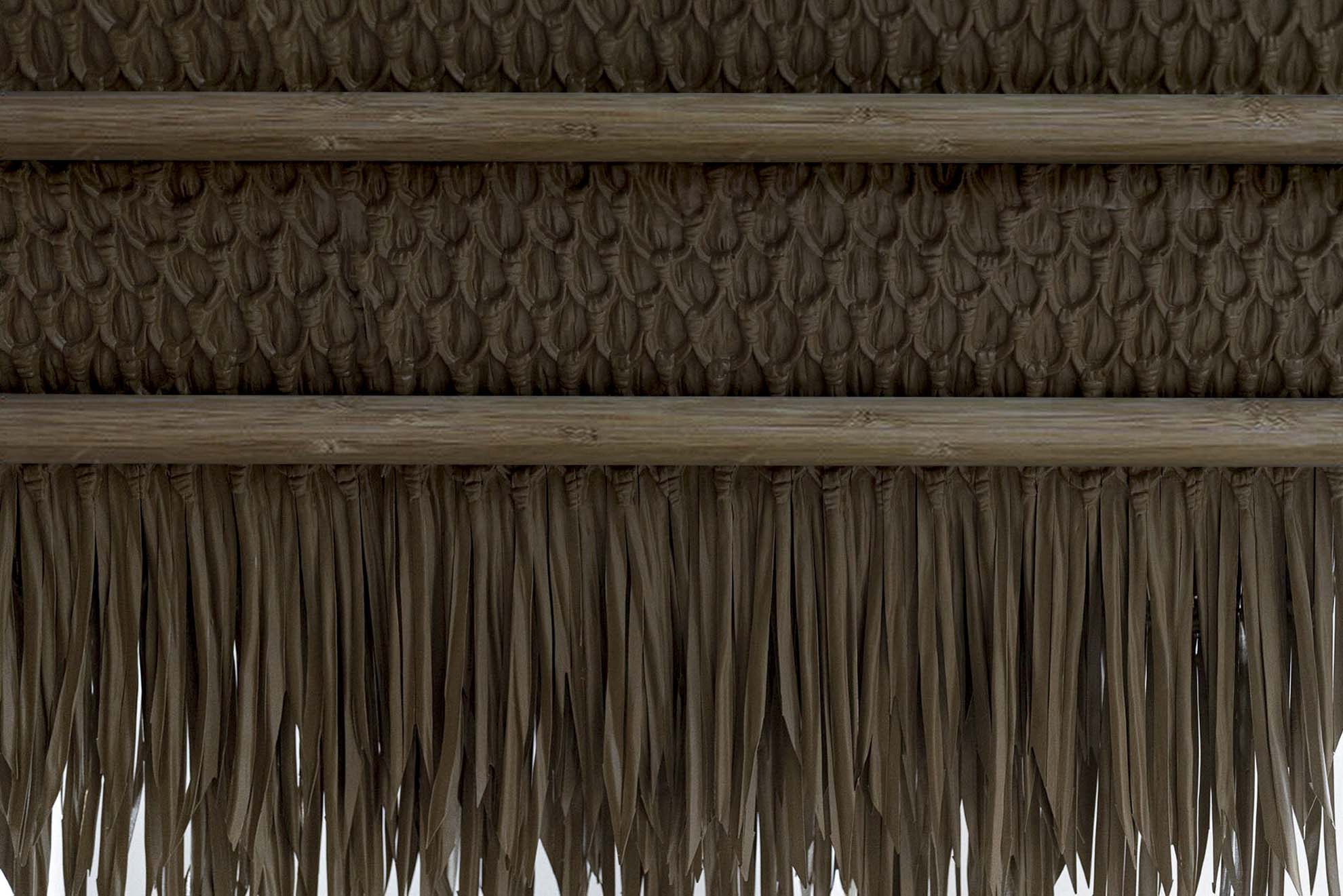
RAINCAPE is our synthetic Mexican palm thatch: it recreates the woven rain-cape texture of a traditional palapa, the natural choice for a Mexican thatched ramada. FAN gives a fuller, rugged fan palm look, and NIPA a neat, close-layered roof. All three share the same 980 × 670 mm panel and fixing, with matching ridge and hip panels, so you can choose on looks alone. See RAINCAPE synthetic palm or compare the three palm styles.
Fire Safety for Restaurants and Resorts
Palapas and ramadas often shelter kitchens, grills and crowds, so fire performance matters. The FR version of ONETHATCH PALM is rated Class A to ASTM E108 (Intertek report 220927005SHF-001), the classification many building codes and insurers ask for; the standard NFR version carries no fire rating. Near kitchens and grills, the designer must also plan appliance clearances and local fire requirements. Read our guide to Class A fire-rated thatch.
Thatch Alternatives Compared
Owners looking at thatch alternatives usually weigh three options. Natural palm has the look but not the lifespan. Metal or tile roofs last, but lose the shade, softness and quiet of thatch, and drum loudly in the rain. Synthetic palm thatch keeps the character of a Mexican thatched roof with the durability of a modern roof covering, which is why resorts across Mexico and the Caribbean are switching.
Installing a Synthetic Palm Ramada Roof
Installation is simple enough for a local builder: start at the eaves, screw each panel through its flexible binder strip into the battens with stainless roofing screws, work up course by course at 220 mm spacing, and finish with the ridge and hip panels. Allow about 4.9 panels per m², plus around 10% for cutting. Follow our step-by-step installation guide.
Plan Your Palapa or Ramada
Send us your drawings or a photo of the roof you have in mind, and we will work out the panels you need and send free samples so you can see the palm texture up close. ONETHATCH PALM (NIPA) is held in stock in the USA, and every style ships to more than 80 countries. Request your free samples and quote.
FAQ
What is a Mexican thatched ramada?
A Mexican thatched ramada is an open shade structure of posts and beams roofed with palm thatch, used for patios, outdoor dining and markets. With ONETHATCH synthetic palm, the ramada keeps its palm roof look without re-thatching.
What is the best roof for a palapa?
For a classic Mexican palapa, a synthetic palm thatch such as ONETHATCH RAINCAPE gives the woven palm look of the traditional roof, with an FR version rated Class A to ASTM E108 and a 20-year limited warranty.
What pitch does a palapa roof need?
With ONETHATCH synthetic palm thatch, plan a roof pitch of at least 18° (about 4:12), with courses laid at 220 mm (9 in) spacing on open battens.
 7 reasons to choose synthetic palm thatch
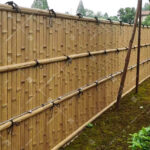 Kenninji-Gaki, the classic Japanese bamboo fence
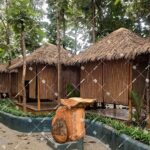 How to install ONETHATCH PALM (NIPA), step by step
 English
 Japanese
 Arabic
 Spanish
 French
 Portuguese
 Italian
 German
 Chinese (China)
 Thai
 Vietnamese
 Indonesian
 Korean
 Chinese (Taiwan)
 Russian