


Inspired by traditional East African craftsmanship — engineered for modern durability.
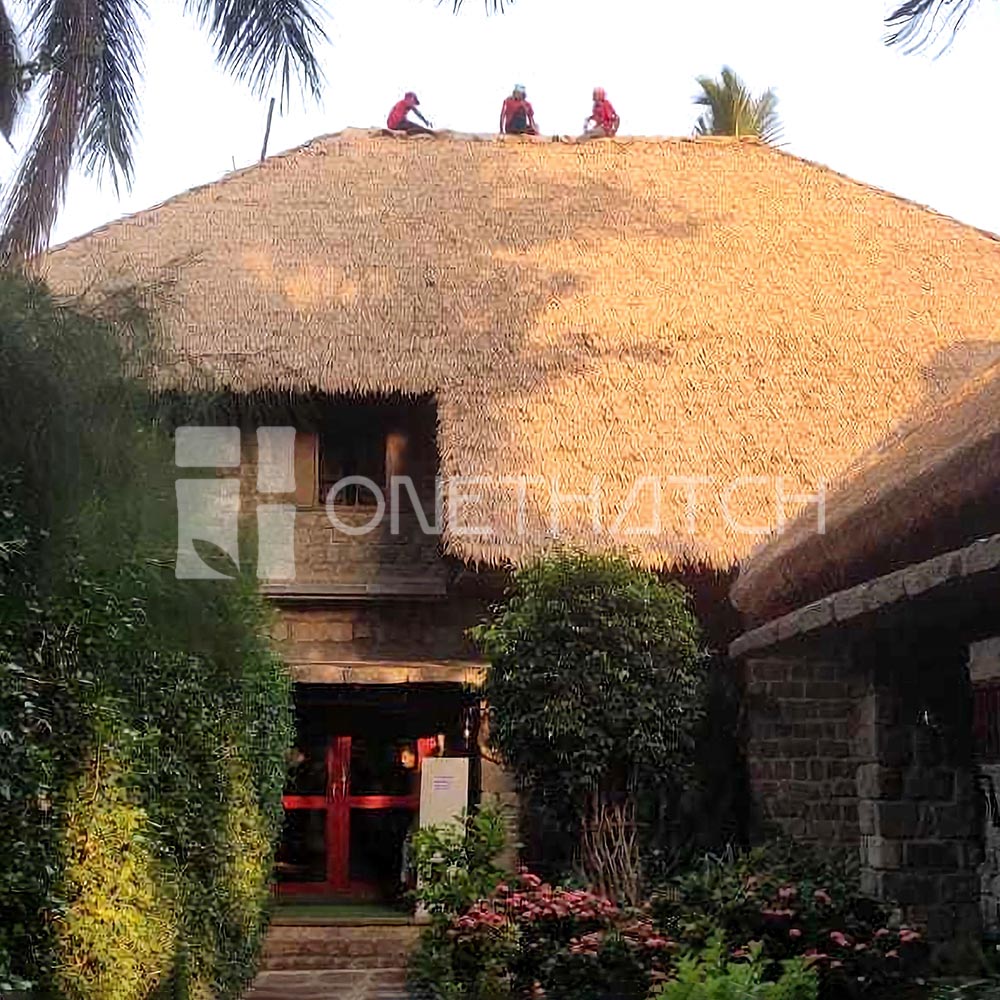
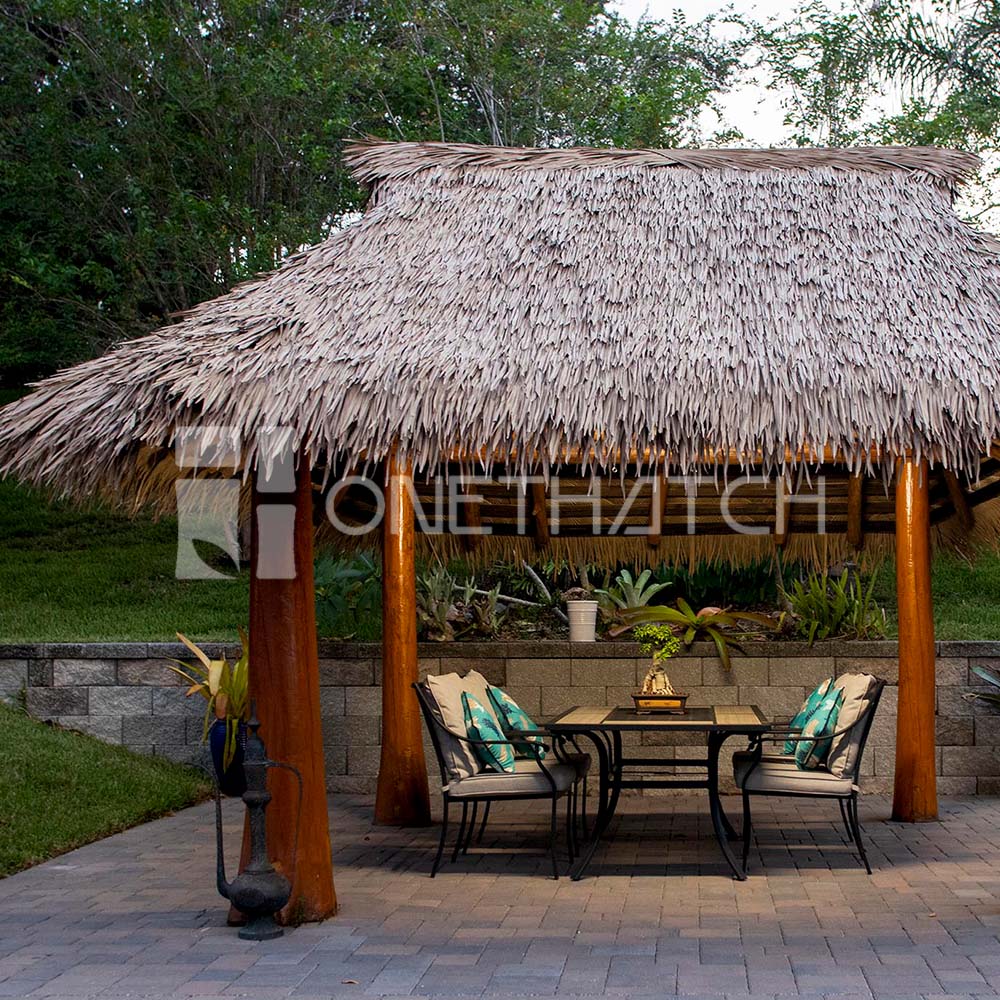
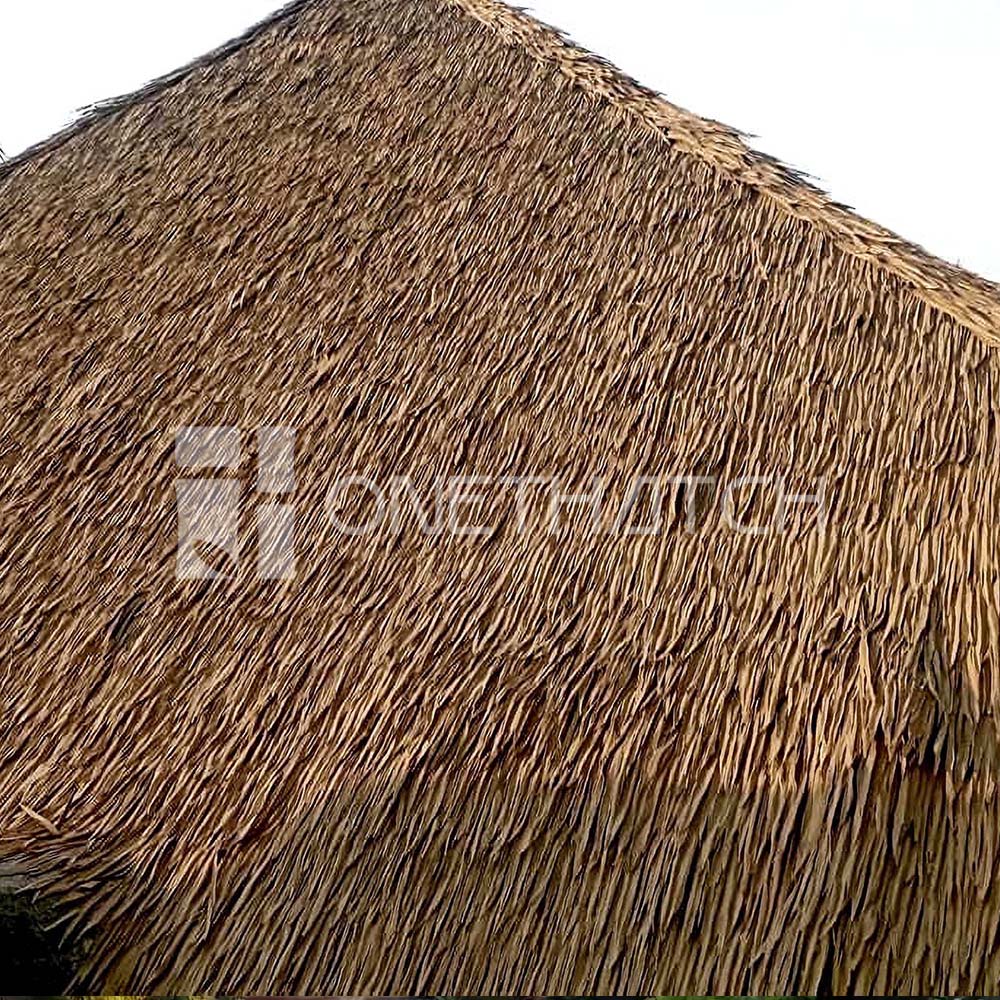
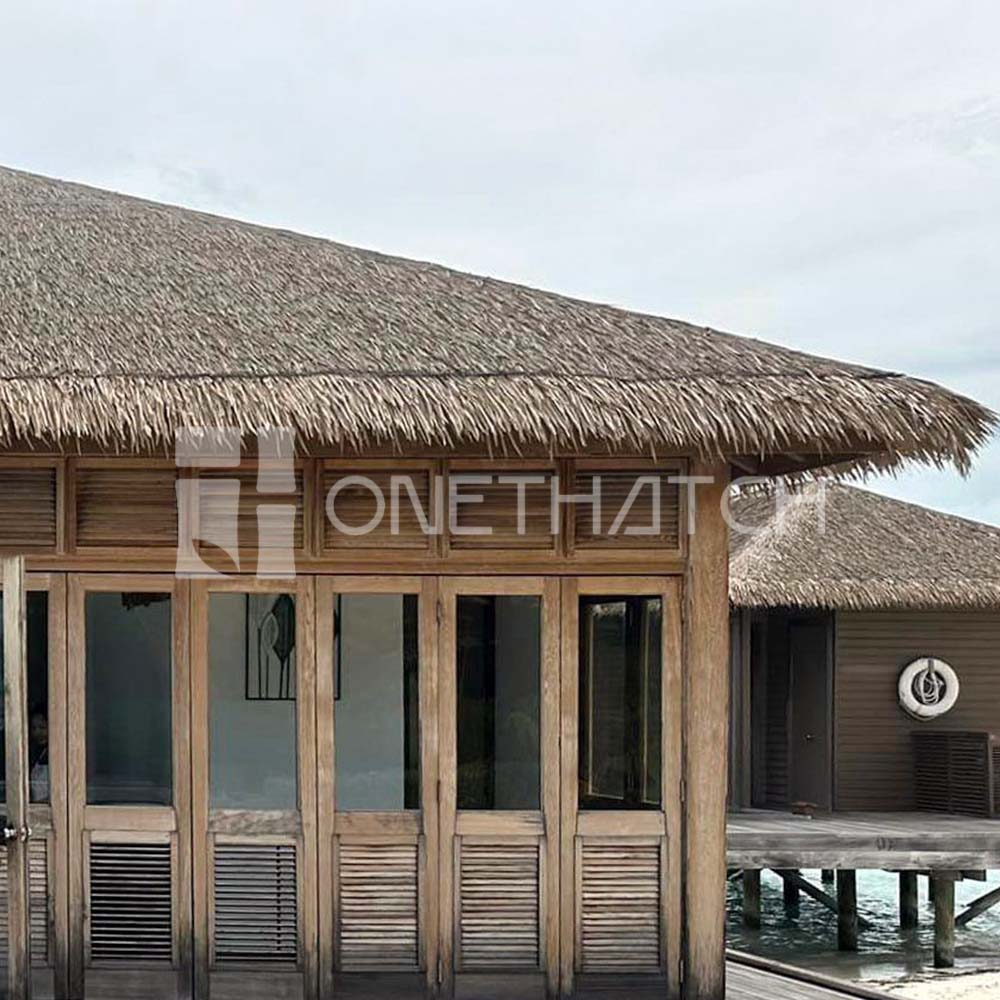
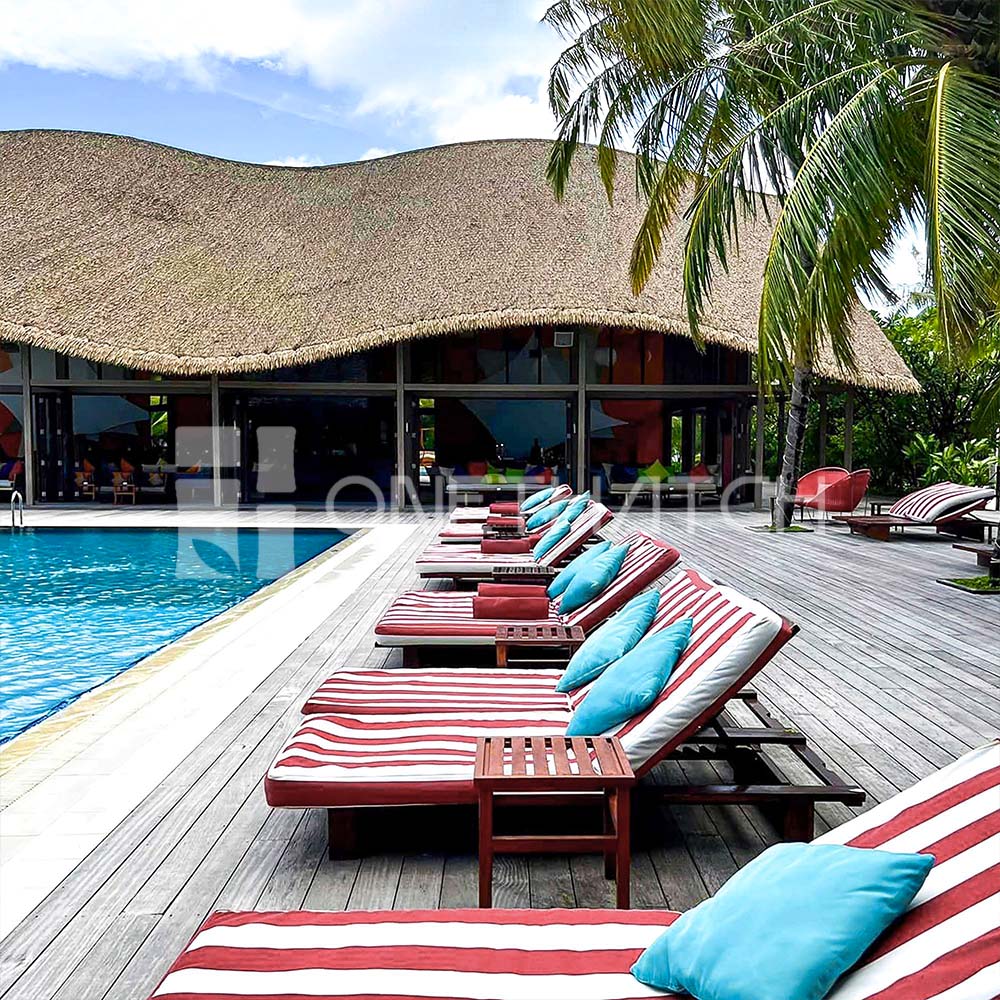
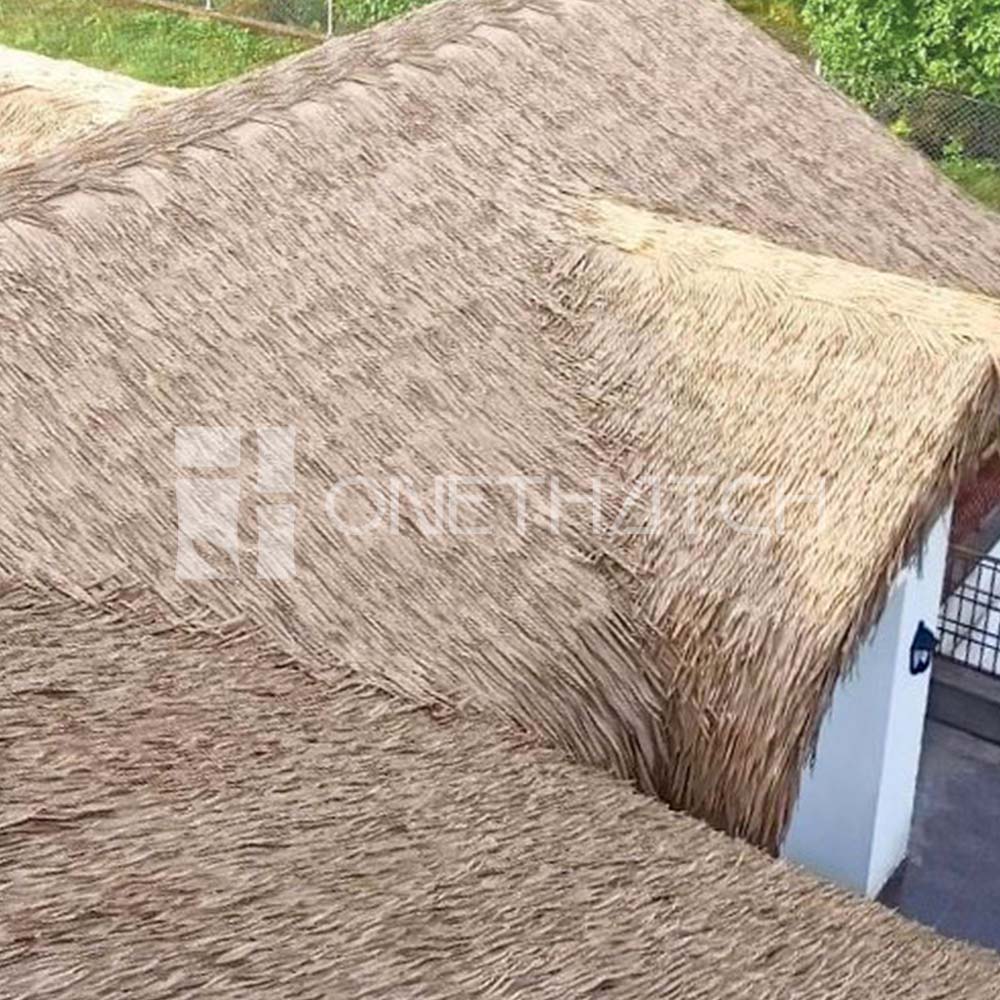
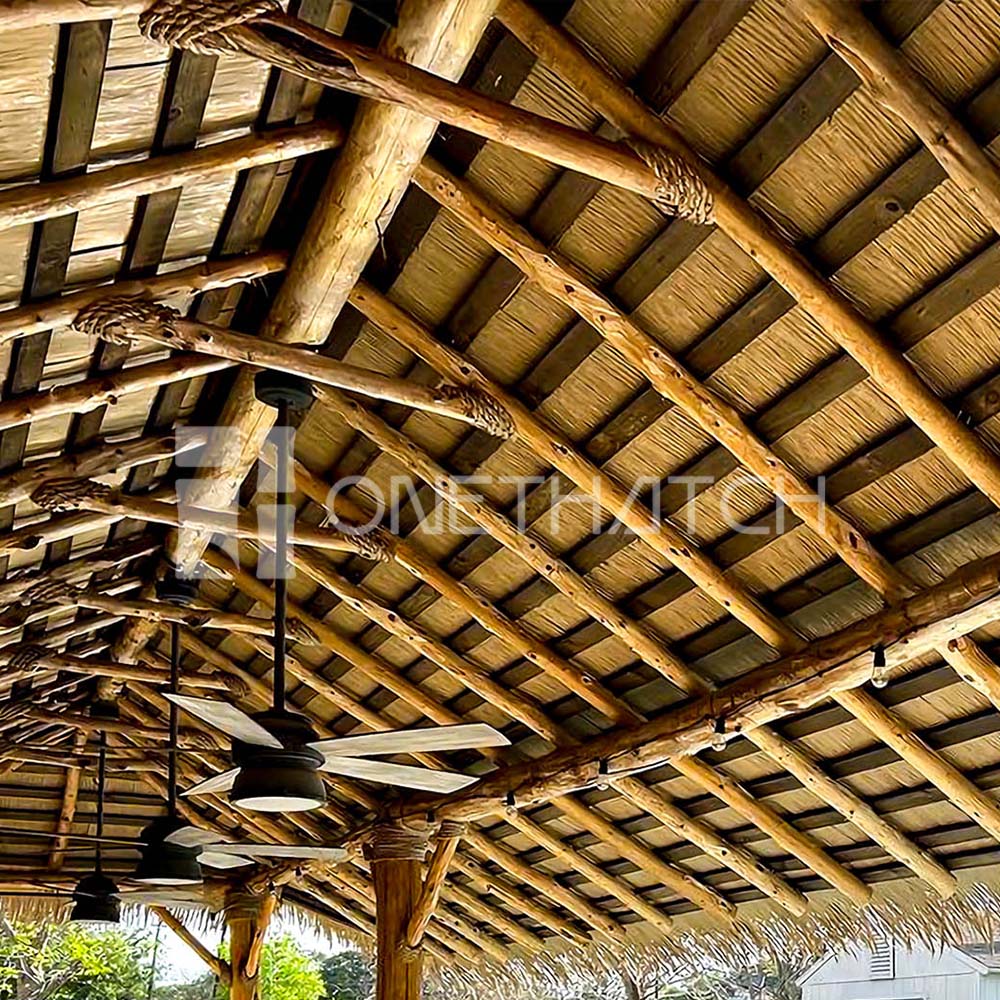
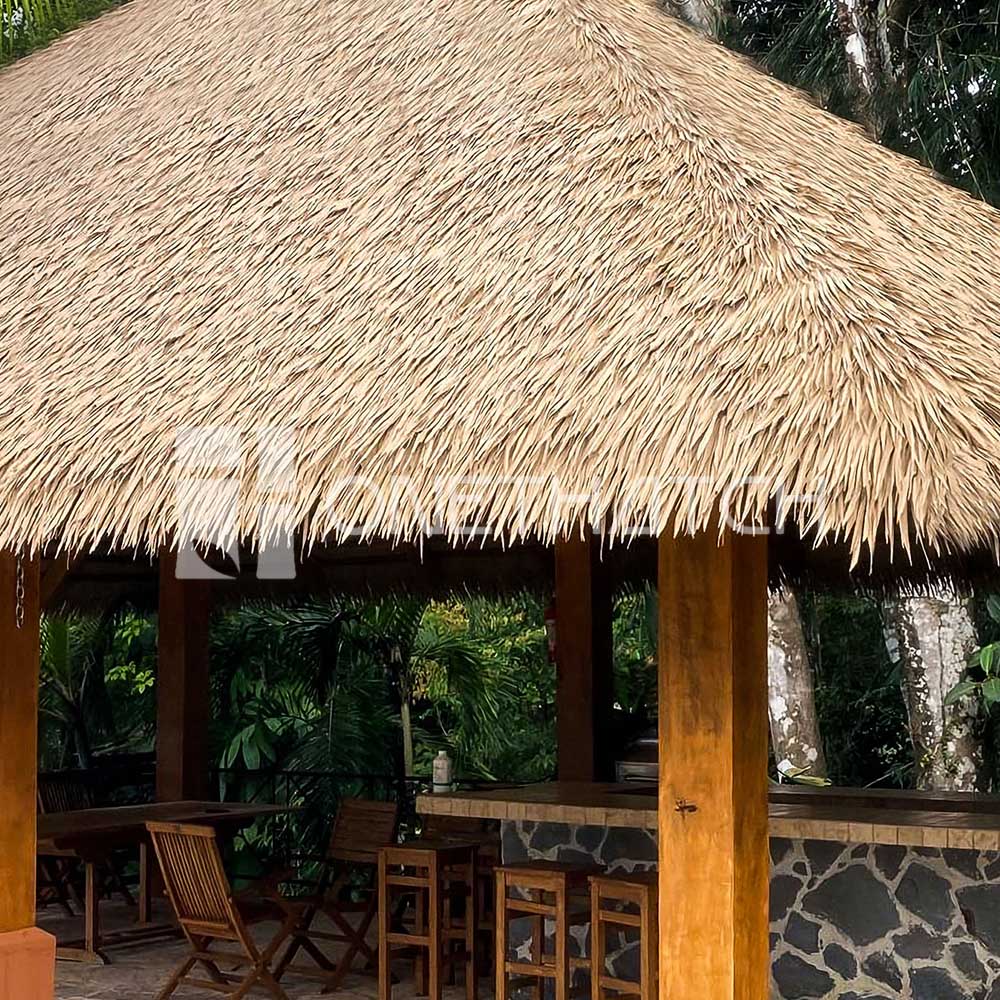
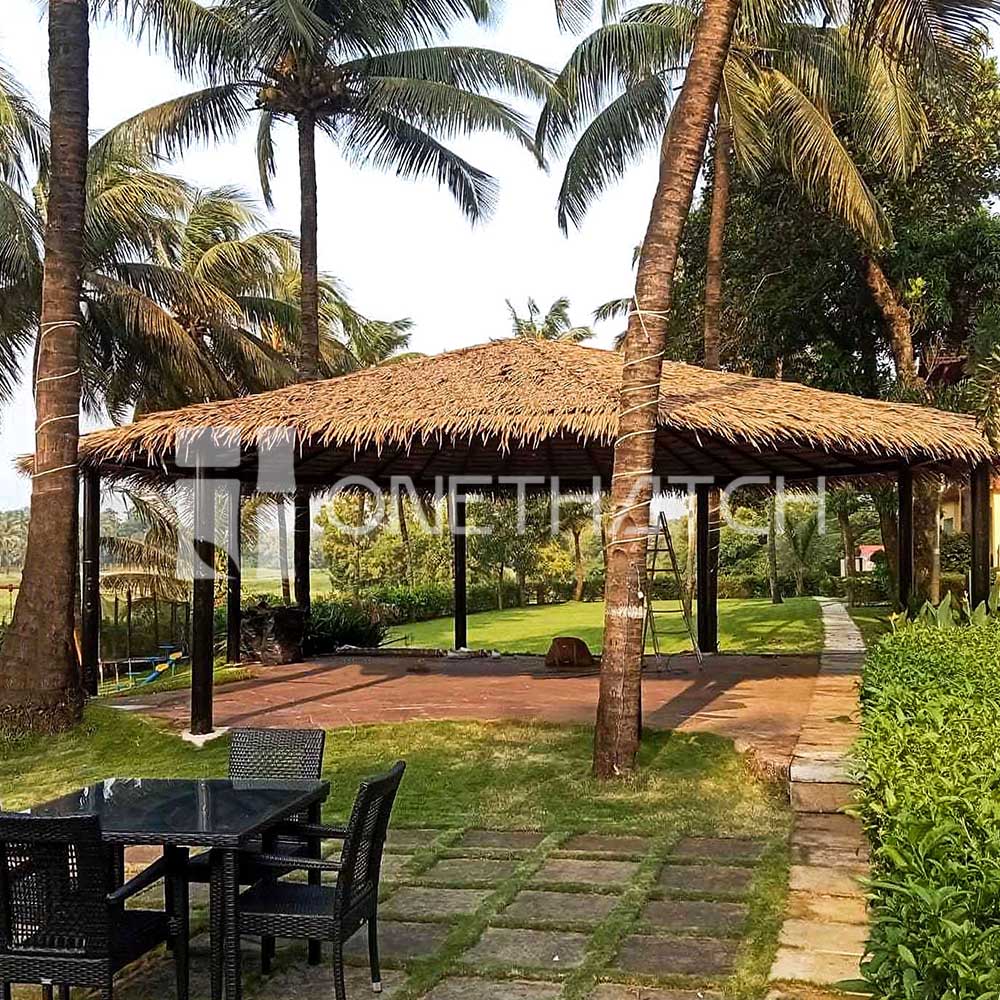
01 Fire Resistance That Protects What Matters
Traditional Makuti thatch, woven from dried coconut leaves, is highly flammable. A single spark can ignite it in seconds.
Synthetic Makuti thatched roofing, made from HDPE polymers, reduces that danger. The FR version of ONETHATCH PALM artificial thatch is fire-rated Class A to ASTM E108 — no need for re-spraying with flame retardants every few years.
Its Intertek test report offers peace of mind for homeowners, resort operators, and insurance providers across the Kenyan and Tanzanian coasts.
02 No More Pests or Infestations
Natural Makuti attracts insects, rodents, and birds, leading to constant maintenance and unsightly netting.
Synthetic Makuti is pest-resistant and does not harbor termites or mold-feeding organisms. It stays clean, sanitary, and visually pristine — ideal for hospitality projects where guest health and appearance matter.
03 Rot, Mold & Moisture Resistance
Humidity, sea spray, and tropical rain quickly damage natural thatch. Synthetic Makuti shingles are non-porous and moisture-resistant, preventing rot, mildew, and odor.
Even in harsh coastal climates like Mombasa or Zanzibar, plastic thatch retains its texture and color for many years, keeping villas and lodges fresh and hygienic.
04 Long-Term Durability
A natural Makuti roof lasts 3–8 years; synthetic Makuti comes with a 20-year limited warranty and needs minimal upkeep.
Each panel includes UV stabilizers that prevent fading under equatorial sunlight. The result is years of beauty, stability, and value — all while maintaining the authentic Makuti look.
Fact: HDPE-based synthetic Makuti panels have shown over 5,000 hours of ASTM G155 UV testing — ensuring superior weatherability in tropical regions.
05 Long-Term Cost Savings
While natural thatch may seem cheaper upfront, recurring maintenance, fumigation, and re-thatching make it costlier in the long run.
Artificial Makuti requires no chemical treatments, no pest control, and only occasional inspections. Installation is also faster, reducing labor costs.
| Cost Factor | Natural Makuti | Synthetic Makuti |
|---|---|---|
| Fire treatment | Every 2 years | Not needed (FR version) |
| Pest control | Frequent | None |
| Re-thatching | 3–8 years | None; 20-year limited warranty |
| Annual upkeep | High | Minimal |
| ROI | Poor | Excellent |
Result: Lower total ownership cost and faster payback for resort and villa projects.
06 Eco-Friendly & Sustainable
Harvesting palm leaves for Makuti thatch contributes to deforestation along Africa’s coastlines.
Synthetic Makuti provides an eco-friendly alternative — made from recyclable HDPE, it reduces natural resource depletion and eliminates toxic runoff from chemical treatments.
Many systems qualify for LEED green-building credits, helping eco-resorts align with sustainability goals.
07 Built for Storms and Tropical Weather
Heavy monsoon rains, UV radiation, and high winds destroy natural Makuti within years.
Synthetic Makuti thatched roofs use ONETHATCH PALM (NIPA), which was tested with no loss of attachment up to 160 mph (260 km/h) and passed the Florida TAS 100 wind-driven rain test.
Installed to specification with stainless roofing screws, the NIPA panels resist uplift and wind-driven rain during tropical storms, making them ideal for coastal resorts, lodges, and restaurants exposed to the Indian Ocean climate.
 English
 Japanese
 Arabic
 Spanish
 French
 Portuguese
 Italian
 German
 Chinese (China)
 Thai
 Vietnamese
 Indonesian
 Korean
 Chinese (Taiwan)
 Russian