


When we picture palm roofs, we think of rural houses, tropical cabanas and holiday hideaways. Palm roofing has come a long way, and today there are options that last longer, ask for less care and are kinder to the environment. The synthetic palm roof is one of them: all the charm of a traditional palm roof, with far greater resilience. Here is what a synthetic palm roof is, what it offers and why it is winning a place in modern building.
What is a synthetic palm roof?
A synthetic palm roof is a manufactured alternative to natural palm thatch. Its panels recreate the texture, look and style of natural palm, while standing up far better to harsh weather. ONETHATCH PALM (NIPA) panels are molded from UV-stabilised, PVC-free HDPE and fixed to open battens, with no sub-deck needed. Synthetic palm is at home on rustic roofs, and just as much on homes and commercial buildings.
The benefits of a synthetic palm roof
Lasting durability. Natural palm roofs need regular upkeep and suffer from wind, rain and insects. A synthetic palm roof resists all three, and it also resists mold and decay. ONETHATCH PALM (NIPA) passed ASTM D3161 wind testing at 160 mph (260 km/h) with no loss of attachment, a laboratory result rather than a site design wind speed. It is backed by a 20-year limited warranty.
Sustainable by design. ONETHATCH synthetic palm is crafted from PVC-free, recyclable HDPE in our own solar-powered factory. No palm fronds are harvested, so a synthetic palm roof helps protect palm and reed ecosystems.
A warm, rustic look. Synthetic palm roofs look authentic, with a warm, welcoming, natural feel that suits many styles of architecture. Whether you are building a country house, a beach cabana or a themed restaurant, a synthetic palm roof brings a rustic, exotic touch that wins everyone over.
Fire and weather. Fire is one of the biggest concerns with natural palm roofs. Where your project needs a fire rating, choose the fire-retardant version: FR ONETHATCH PALM is rated Class A to ASTM E108. The standard version has no fire rating. Synthetic palm is also far less vulnerable to damage from water and wind than natural fronds.
Easy to install, easy to live with. Synthetic palm panels go up faster than hand-tied natural thatch and are lighter to handle. Once on the roof, they need no re-thatching, no sealing and no pest or fire treatments, just an occasional rinse.
Why choose a synthetic palm roof?
A synthetic palm roof is a choice of style and a long-term investment. As more people look for resilient, lower-impact ways to build, synthetic palm is becoming the natural choice for anyone who wants a traditional roof that is beautiful, durable and low in upkeep.
Where synthetic palm roofs are used
- Homes: rural houses, villas and homes in tropical or coastal areas.
- Commercial: tropical or rustic-themed restaurants, bars and hotels.
- Garden structures: pool cabanas, gazebos and palapas.
- Eco-minded projects: builds looking for an alternative to harvested palm.
Conclusion
A synthetic palm roof brings the beauty of a traditional palm roof without the upkeep and short life of natural fronds. For a home or a commercial project, it is an investment that keeps paying back. See how it goes up in our step-by-step installation guide, or compare it with natural palm in 7 reasons to choose synthetic palm.
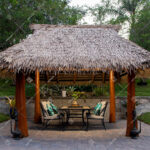 7 reasons to choose synthetic palm thatch
 Kenninji-Gaki, the classic Japanese bamboo fence
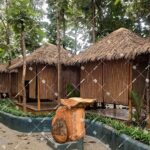 How to install ONETHATCH PALM (NIPA), step by step
 English
 Japanese
 Arabic
 Spanish
 French
 Portuguese
 Italian
 German
 Chinese (China)
 Thai
 Vietnamese
 Indonesian
 Korean
 Chinese (Taiwan)
 Russian